Looking for retirement planning in Plymouth you can genuinely trust? We match you with an established, independently vetted, FCA-regulated adviser specialising in retirement planning, serving Plymouth, free, and with no obligation.
Why Plymouth households seek retirement planning
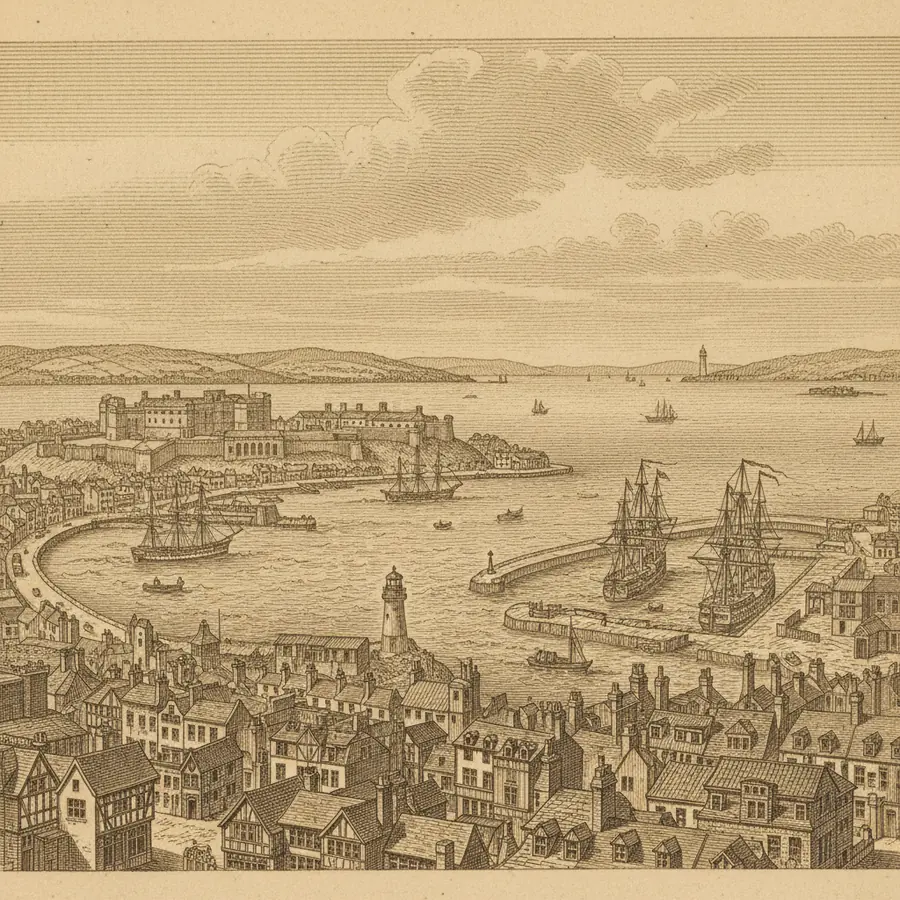
For many households in Plymouth, the central financial question is how to turn a lifetime of saving into a reliable income that lasts as long as they do.
Good retirement planning is not a one-off calculation: it is a relationship, reviewed as your life and the tax rules change.
Plymouth is the largest city in Devon and Cornwall, and its wealth is unusually varied, from the naval community around HMNB Devonport to professionals at Derriford and the university, business owners and a comfortable retired coast.
Each community arrives at financial advice from a different direction, which is why genuinely local, properly qualified advice matters so much here.
HMNB Devonport
Serving & former Royal Navy with Armed Forces pensions and transfer decisions.
Derriford & the University
NHS consultants and academics with defined-benefit pensions.
Business owners
Directors across marine, trade and services planning growth, tax and exit.
Retired coastal households
Property-rich households thinking about income, IHT and legacy.
What shapes retirement planning in Plymouth
A naval and engineering city. Defence is the single largest economic anchor, alongside marine engineering, the university and the city’s hospitals.
Draws workers in from Saltash and the Tamar valley, Ivybridge, Tavistock and the South Hams. A wide spread, from Victorian terraces in the inner city to family housing in Plympton and Plymstock, with waterfront apartments at the higher end.
The largest local employers include HMNB Devonport, Babcock International, University Hospitals Plymouth NHS Trust and University of Plymouth, which shapes the kind of pension arrangements advisers here deal with most often.
The questions that come up most in Plymouth
- 1
Service leavers taking resettlement and immediate pension decisions, often well before normal retirement age
- 2
Armed Forces pension transfer and preserved-benefit questions after leaving
- 3
Dockyard and Babcock engineering careers that leave several deferred workplace pensions behind
Pension arrangements advisers meet in Plymouth
- Armed Forces Pension Scheme (AFPS 75, 05 and 15)
- NHS Pension Scheme
- Defined-benefit schemes from dockyard engineering careers
A retirement planning specialist who actually works in Plymouth will already know this picture. That local familiarity is part of what we check before we introduce anyone in Devon.
What retirement planning in Plymouth covers
The advisers we match you with help across the full range of retirement planning. These are the areas Plymouth clients ask about most.
Retirement income planning
A clear, sustainable plan for the income you’ll live on, across all your pensions and savings.
Drawdown vs annuity
Weighing flexibility against certainty, and often blending both.
Tax-efficient withdrawals
Sequencing income from pensions, ISAs and investments to keep more of it.
Phased retirement
Easing from work to retirement gradually, with income to match.
State pension & timing
Making the most of your State Pension and deciding when to take other benefits.
Later-life care planning
Preparing for the possibility of care before it becomes urgent.
How we choose the best retirement planning advisers serving Plymouth
We don’t run a directory, and we don’t rank on who pays most. Every retirement planning adviser we introduce in Plymouth passes The Vetted Wealth Standard, the same four checks, applied every time, and deliberately more demanding than the regulatory minimum.
We start from the FCA register and the specific permissions your advice needs, then look hard at how established the firm really is, its qualifications, and its track record with real clients. Only firms we would recommend to our own family make the list.
- 1
FCA register verified
Authorisation and the specific permissions your advice needs, vital for regulated work such as pension transfers and equity release.
- 2
Genuinely established
A real, sustained track record in and around Plymouth, a stable team with local roots, not a call-centre with a local postcode.
- 3
Properly qualified
Chartered (CII) or Certified (CISI) status, plus any specialist qualifications your situation calls for.
- 4
Track record examined
Complaints history and client outcomes reviewed, and monitored over time.
Anyone can call themselves a financial adviser. We make sure the one you speak to is genuinely established, properly qualified, and demonstrably trusted, before we ever introduce you.
The Vetted Wealth StandardNot a directory. A concierge service.

Why use us, when you could search online or fill in a comparison form? Because those tools do something very different. A directory lists whoever pays or registers; a comparison site ranks on headline fees, not on whether a firm is genuinely any good.
We work the other way around, vetting first, then introducing you by hand to a single firm that suits your situation. No ranked table, no “sponsored” badge, no pressure. And because it’s free to you, there’s nothing to lose.
A directory or comparison site
- Lists whoever pays or registers
- Ranks on headline fees, not quality
- No due diligence on your behalf
- Hands you a list and wishes you luck
Vetted Wealth
- We vet every firm first
- Matched by hand to your situation
- Full due diligence, done for you
- One right adviser, free, no obligation
How advice needs change through life in Plymouth
The right conversation looks very different at 40 than at 70. Good advice grows with you through every stage.
Building up
30s–40s. Protection, workplace pensions, a mortgage and starting to invest through ISAs.
Approaching retirement
50s–60s. Consolidating pensions, the allowances, drawdown versus annuity, and usually keeping DB benefits.
In retirement
A sustainable income that lasts, tax-efficient withdrawals, and planning for later-life care.
Passing on wealth
Estate planning, allowances, gifting, trusts, and structuring pensions to pass on more.
Retirement planning in Plymouth, explained
A plain-English look at what retirement planning means for Plymouth households, open any section for the detail.
Why retirement planning differs in Plymouth
Britain’s Ocean City runs on the Royal Navy, the dockyard and small trades. Retirement here is shaped by service pensions, later working lives and property that has quietly grown in value.
- Forces pensions dominate, Devonport and HMNB mean thousands hold Armed Forces Pension Scheme benefits, often alongside a second civilian career and pension.
- Two-pension households, It is common locally to retire from the Navy in your 40s, then build a further workplace pot before stopping fully.
- Trade and self-employment, Marine, engineering and construction trades often mean patchy pension records and reliance on a business or property sale.
- Later stop dates, Many Plymouth workers phase down rather than stop at 65, so income needs to flex across a long, gradual wind-down.
Who most often needs it here
Retirement planning in Plymouth clusters around a handful of very specific situations, most tied to service life, trades or a family business.
- Service leavers, Navy and dockyard personnel weighing a preserved or immediate AFPS pension against a new pot from a second career.
- Local business owners, Owners of marine, hospitality or trade firms planning an exit and turning a lifetime’s work into retirement income.
- Long-standing couples, Plymstock, Plympton and Ivybridge homeowners, mortgage clear, asking whether their savings genuinely last 30 years.
- Inheritance receivers, People inheriting a Devon or Cornwall property who suddenly face income, tax and later-life questions at once.
- Carers and the widowed, Those managing a spouse’s pensions after bereavement, or juggling care for parents in Tavistock or Saltash.
What retirement planning actually involves
In plain English, it is a set of linked decisions about when to stop, where income comes from, and how to keep tax and risk under control.
- Income mapping, Working out guaranteed income from state and service pensions, then covering the gap to your real spending.
- Drawdown or annuity, Deciding how much to keep invested and flexible versus how much to convert into secure, guaranteed income for life.
- Withdrawal order, Choosing which pots, ISAs and savings to draw first so you use allowances and pay less tax overall.
- Phasing the stop, Structuring a gradual reduction in hours and income, common for Plymouth trades and second-career workers.
- Timing the state pension, Checking your forecast, filling gaps and deciding whether deferral genuinely suits your circumstances.
How local property and wealth change the picture
For most Plymouth households the home is the largest asset. That shapes inheritance, care funding and how much pension income you actually need.
- House-rich, income-modest, A paid-off Plymstock or Roborough home can mask a thin pension, making drawdown and downsizing central questions.
- Inheritance tax creep, Rising Devon property values quietly pull ordinary families toward IHT; planning early protects more for children.
- Downsizing options, Moving from a family house to a coastal flat can release capital, but timing and costs need careful thought.
- Equity release caution, Releasing value from your home is regulated for good reason and must be weighed against alternatives and inheritance.
- Care on the horizon, Later-life care in Devon is costly, so property and savings should be planned as one, not separately.
Where people come unstuck without advice
The common Plymouth mistakes are rarely reckless. They are quiet, avoidable errors made by sensible people acting on incomplete information.
- Transferring blind, Giving up a valuable defined-benefit or service-linked pension without regulated advice, often losing guarantees they cannot rebuy.
- Overpaying tax, Drawing a large lump sum in one year and needlessly pushing themselves into a higher tax band.
- Ignoring the forecast, Assuming a full state pension without checking, then discovering gaps from career breaks or self-employment too late.
- Drawing too fast, Spending freely in the early, active years, then finding the pot strained through a long later retirement.
- Leaving IHT unplanned, Letting a Devon home and savings drift toward a large, avoidable inheritance tax bill for the family.
Why local, vetted, regulated advice matters
Retirement decisions are largely one-way. Getting them right needs someone regulated, genuinely local and independently checked, not a call centre.
- Understands service life, A local adviser knows AFPS, Devonport careers and second pensions in a way distant firms rarely do.
- Independently vetted, We match you only with FCA-regulated advisers we have checked, so you skip the guesswork on credentials.
- Regulated protections, Advice on transfers, drawdown and equity release carries FCA safeguards and recourse that guidance and DIY never offer.
- Knows the ground, From Saltash to Ivybridge, a local adviser grasps property values, care costs and the practical realities you face.
- Values stay honest, Investments can fall as well as rise; good advice plans for that rather than promising what cannot be guaranteed.
How good retirement planning helps in practice
Illustrative examples of the situations a vetted retirement planning adviser helps Plymouth clients with, for illustration only, not advice.
The Navy leaver with two pensions
A petty officer left Devonport in their late 40s with a service pension, then took an engineering job. Advice showed how to preserve the AFPS benefits, build the new pot tax-efficiently, and phase both so income stayed steady from an early stop to state pension age.
House-rich, pension-light couple
A Plymstock couple owned their home outright but held modest pensions. Worried savings would not last, they got a clear income map: measured drawdown, a partial annuity for security, and a downsizing option held in reserve. They retired confident, without gambling on the markets.
Selling a Plymouth trade business
A marine-trade owner near Sutton Harbour planned to sell up at 60. Advice structured the exit, sheltered proceeds across pensions and ISAs, and set a withdrawal order that cut tax. An early inheritance tax review protected far more of the estate for their children.
What retirement planning costs in Plymouth, and why our matching is free
Our matching service is free to you, always. The adviser we introduce explains their own fees clearly and in writing before you commit: there is no single national price, but the shape is consistent.
| How you pay | What it covers | Typical cost |
|---|---|---|
| Initial consultation | A first meeting to check the fit, with no obligation | Usually free |
| Percentage of assets | Ongoing advice on, and management of, the money invested for you | ~0.5%–1% a year |
| Fixed or hourly fee | A set price for a defined, one-off piece of advice | Agreed upfront |
| Our matching service | Vetting & introducing a suitable retirement planning adviser serving Plymouth | Free, always |
Questions worth asking any Plymouth adviser
A good adviser will welcome these, and the answers tell you a great deal before you commit.
Are you independent or restricted?
Independent advisers consider products from across the whole market; restricted advisers work from a limited range. Both can be excellent, but you should know which you are speaking to.
What are your qualifications and permissions?
Look for Chartered (CII) or Certified (CISI) status, plus any specialist permissions your situation needs, such as pension-transfer or equity-release qualifications.
How exactly are you paid?
A good adviser explains their fees clearly and in writing before you commit, whether a percentage of assets, a fixed fee or an hourly rate.
Will I have a named adviser?
Continuity matters. You want to know who you will actually deal with, and that the relationship is ongoing rather than one-off.
How should I prepare for the first meeting?
A little preparation helps you get the most from it. Bring a rough picture of your finances, pensions, savings, investments, property and any debts, where approximate figures are perfectly fine to start. Just as useful are your goals, your timeline and your genuine feelings about risk, which matter every bit as much as the numbers. Recent pension or investment statements help if you have them, but don’t worry if you can’t find everything: a good adviser will help you gather it. Above all, write down anything you’re unsure about: no question is too basic, and the meeting is exactly what it’s for.
How quickly will an adviser get in touch?
Once you have been matched, a vetted adviser serving Plymouth usually contacts you within a couple of working days to arrange a convenient time to talk, by phone, video or in person, whichever suits you.
Am I under any obligation?
None at all. Both the introduction and the first conversation are free and entirely without obligation. You decide whether to take things further, in your own time, with no pressure either way.
Related advice in Plymouth
Most financial decisions connect. Whatever you need, we can match you with a vetted Plymouth specialist.
How advice is regulated, and how you’re protected
Every firm we match you with is authorised and regulated by the Financial Conduct Authority. That framework is a large part of why speaking to a genuinely regulated adviser, not an unregulated introducer, matters so much.
Authorised firms must be competent, treat you fairly and give suitable advice. Check any adviser on the FCA’s public register.
A free, independent service to resolve any complaint you can’t settle with the firm directly.
If a regulated firm fails, the Financial Services Compensation Scheme may protect eligible claims.
What to expect, a simple, no-cost process

Being matched takes minutes and costs nothing. Tell us what you need; we introduce a suitable vetted retirement planning adviser serving Plymouth, who contacts you directly, usually within a couple of working days. The first conversation is typically free and without obligation.
Our matching service is free to you, forever. Any fees an adviser charges for their own advice are explained clearly and agreed with you before you commit.
| Stage | What happens | Cost to you |
|---|---|---|
| Matching | We vet & introduce a suitable Plymouth adviser | Free, always |
| Initial consultation | Your situation reviewed, options explained | Usually free |
| Advice & recommendation | A written plan tailored to you, if you proceed | Agreed & disclosed upfront |
| Ongoing advice | Implementation and regular reviews | Often ~0.5%–1% p.a. or a fixed fee |
The value of investments can fall as well as rise, and you may get back less than you invest. This page is information, not personal financial advice.
Is it really free? Yes.
You are never charged and never under any obligation. We’re paid by the adviser firms in our network, only when we introduce a well-matched enquiry, and that never changes the regulated advice you receive. Your details are only ever shared with the single vetted firm we match you to.
Choosing the right retirement planning adviser is one of the most consequential decisions you’ll make with your money. We’ve done the checking so you can start that relationship with confidence. When you’re ready, use the form on this page, we’ll introduce you to a vetted, trusted adviser serving Plymouth, free and with no obligation.